
Exclusive Insights · Lifestyle Energy dip at 3 pm?
Five common causes of an afternoon slump, and what you can do about it.
The short answer
A slight dip in the afternoon is normal: your body clock naturally drops a little in the early afternoon. Do you really crash every day? Then the cause often lies in your sleep, your lunch, how much you drink, how much you move or how much room you have to recharge. With a few small changes, you'll often notice a difference within a week.
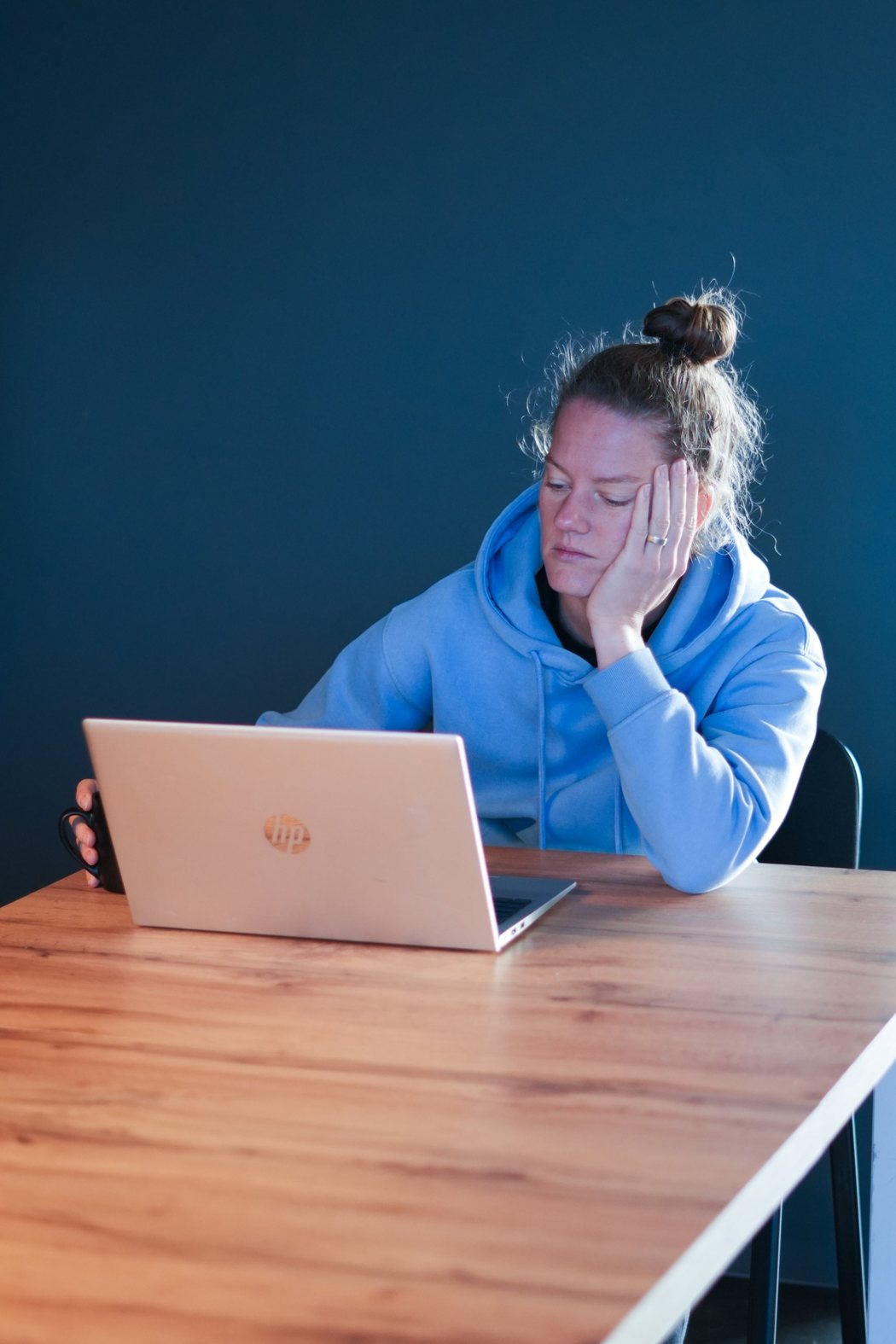
It's three o'clock. You're reading the same email for the third time, your eyes feel heavy and your hand reaches for the coffee or the biscuit tin almost by itself. Sound familiar? You're not alone. We hear it regularly in the gym. The good news: you can do more about it than you think.
A small dip is normal
Your body has a day and night rhythm. In the early afternoon, your alertness naturally decreases a little. That's not a sign that something is wrong. But do you feel drained every afternoon, can you no longer concentrate, or do you need a nap to get through the day? Then there's often more going on.
Five common causes
1. Too little or restless sleep
Do you sleep less than seven hours or wake up often? Then you build up a deficit. You notice it first in the afternoon, when your natural dip and your sleep debt coincide. And it works the other way round too: how your day goes largely determines how you sleep.
2. A lunch without attention
A quick sandwich behind your screen while you keep working. Your body doesn't get a real break, and neither does your mind. What's on your plate counts too: a lunch with mostly fast carbohydrates, such as white rolls, crisps or something sweet, first gives you a spike and then a dip.
3. Not drinking enough
Even mild dehydration can make you tired and less sharp. Many people drink coffee in the morning and then hardly anything after that.
4. Sitting still for too long
Hours at your desk without getting up make both your body and your mind sluggish. Moving gets your circulation going again and makes you more alert.
5. Stress without moments to recharge
Are you "on" all morning, without a single moment to recharge? Then your body is running on its reserve tank. That costs a lot of energy, and you feel it in the afternoon. Coffee helps for a while, but too much, or too late in the day, disrupts your sleep. That creates a cycle: poor sleep → more coffee → even worse sleep.
The basics first, no quick fix
An extra cup of coffee, an energy drink or a biscuit gets you through the afternoon for a moment, but tomorrow you're back at the same point. Lasting energy starts with the basics: sleep, breathing, nutrition, movement and recovery. We call that fundamental coaching.
What you can do today
- Go outside for ten minutes after lunch. Daylight and a short walk often work better than an extra cup of coffee.
- Take a real lunch break. Eat away from your screen and go for protein, such as eggs, chicken, fish, quark or pulses, with vegetables and wholegrain products.
- Put a bottle of water on your desk. Drink throughout the day, so you don't realise at four o'clock that you've hardly had anything.
- Get up every hour. Get some water, walk around or do a few squats. Two minutes is enough.
- Plan small moments to recharge. Breathe calmly for a few minutes, with an exhale that is longer than your inhale. This helps your body switch out of "on" mode for a moment.
- No coffee after 2 pm. That gives your sleep a fair chance, and with it your energy for tomorrow.
Coach's tip
For one week, keep track of how you feel in the afternoon, what you've eaten and how you slept. You'll often see a clear pattern after just a few days.
When to see your GP?
Have you been tired for a long time, even when you sleep well and eat healthily? Or do you also have other symptoms, such as dizziness, shortness of breath or weight loss for no clear reason? Then have your GP take a look. Fatigue can also have a medical cause.
How we do it at Exclusive Gym
We look beyond your training. In an intake we also discuss your sleep, stress, nutrition and what your day looks like. Together we find out what costs you the most energy, and what gives you energy. Want to get an idea yourself first? Then take the Energy Scan: 12 questions, and within 2 minutes you'll know where your biggest gain is. Read more about nutrition, sleep and stress.
Nutrition, sleep and stress
More energy in your day?
Take the free Energy Scan or book an intake via WhatsApp.
Keep reading